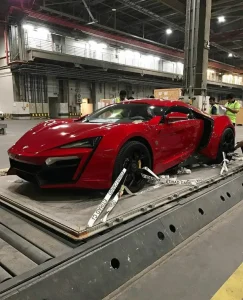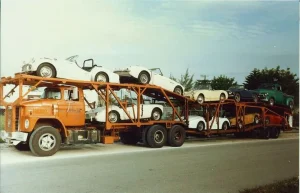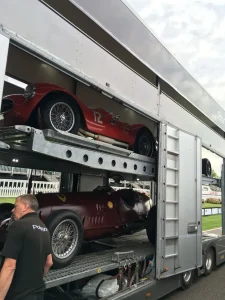

Enclosed car transport is designed for vehicle owners who want additional protection from weather exposure and road debris during transit. Reliable Route Car Transport helps customers in Atlanta explore enclosed shipping for classic cars, luxury vehicles, exotic automobiles, and other specialty vehicles. Ask about route availability, carrier requirements, and pricing for your shipment.
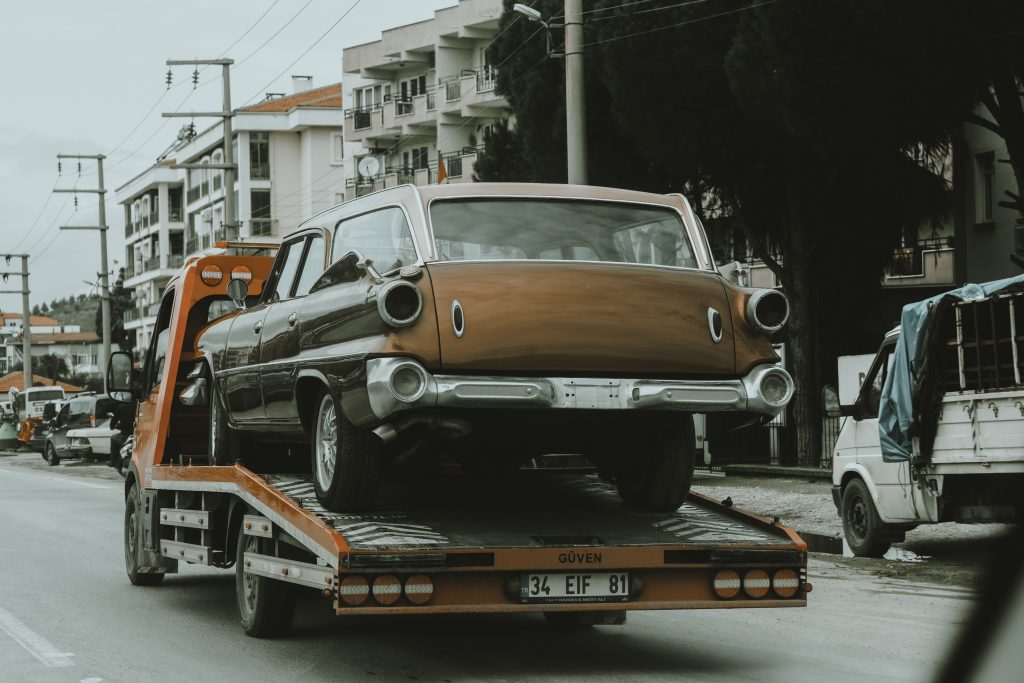
Some vehicles require more consideration when transportation is necessary. A classic automobile, luxury sports car, collectible vehicle, or recently restored model may have a finish or value that makes additional protection especially important.
Enclosed car transport provides a covered trailer environment that shields a vehicle from much of the direct weather exposure and road debris encountered during an ordinary journey. For owners who prioritize this additional protection, enclosed shipping can be an appropriate alternative to open carrier transportation.
Reliable Route Car Transport helps customers in Atlanta, Georgia, explore enclosed vehicle shipping options for local arrangements and interstate transportation.
Enclosed car transport uses a trailer with walls and a roof to surround the vehicles being transported. Unlike an open carrier, the vehicle is not directly exposed to ordinary outdoor weather during transit.
Enclosed trailers vary in design, loading equipment, capacity, and suitability for particular vehicles. Some specialty arrangements may accommodate low-clearance vehicles or automobiles that require additional handling consideration.
Before booking, provide accurate information about your vehicle’s dimensions, ground clearance, condition, and any modifications. These details help determine whether a particular carrier can accommodate the shipment.
Rain, hail, dust, and direct sunlight can be concerns for vehicle owners. Enclosed transport adds a physical barrier against direct exposure to many outdoor conditions.
Although an enclosed trailer offers additional protection, it does not eliminate every transportation risk or guarantee that damage cannot occur.
Open carriers leave vehicles exposed to the surrounding environment. An enclosed trailer provides another layer between the vehicle and road debris that may be encountered during transit.
This can be an important consideration for vehicles with specialty paintwork, delicate finishes, or significant collector value.
Enclosed transport may be particularly appropriate for classic automobiles, exotic sports cars, luxury vehicles, collector cars, and restored vehicles. Owners should still verify that the selected carrier is equipped for the vehicle’s particular loading and handling needs.
For customers who are especially concerned about environmental exposure, enclosed shipping can offer reassurance. Choosing a suitable carrier, reviewing insurance terms, and documenting the vehicle’s condition remain important regardless of the transport method.
Enclosed shipping may be worth considering if you own a vehicle that is difficult or expensive to repair, has a custom paint finish, or holds special financial or personal value.
Collectors transporting a classic vehicle to an event, buyers purchasing an exotic automobile from another state, and owners relocating a luxury car may prefer an enclosed trailer.
However, enclosed transport is not necessary for every vehicle. For many standard passenger cars, open transport may provide a more economical alternative.
Enclosed transport often costs more than open transport because covered trailers may have different operating expenses, equipment requirements, and vehicle capacities.
Pricing depends on the shipping distance, route demand, vehicle dimensions, loading requirements, pickup location, and desired schedule. Specialty equipment or limited carrier availability may also affect the quote.
Request a detailed estimate and confirm which services are included. Ask about deposits, payment arrangements, cancellation conditions, insurance coverage, and any special handling charges before agreeing to the shipment.
Start by providing your pickup and delivery locations, vehicle details, and preferred dates. Explain whether the vehicle has low ground clearance, modified bodywork, limited operability, or other special requirements.
Once the transport arrangement is confirmed under the applicable agreement, coordinate a pickup window and ensure that the vehicle is ready for inspection.
Photograph the vehicle before loading and review the condition report. Make sure the carrier understands any special handling instructions.
At delivery, inspect the exterior and accessible areas, compare the condition with your original records, and document any concerns. Keep the shipping documents and follow the carrier’s claims procedure if needed.
Clean the vehicle to make existing damage visible. Remove personal belongings and loose accessories, and disclose any mechanical issues.
If the car has an aftermarket body kit, unusually low ground clearance, wide wheels, or other modifications, inform the transporter in advance. These features can affect loading angles and carrier suitability.
Follow the carrier’s specific instructions for keys, battery condition, alarms, and fuel levels. Do not assume that all enclosed trailers use identical loading procedures.
Reliable Route Car Transport helps customers evaluate vehicle shipping options according to their requirements. We encourage vehicle owners to compare transport methods and understand the actual carrier arrangement before booking.
Our focus is on helping you identify the questions that matter: Is the trailer appropriate for your vehicle? What insurance applies? What is the expected pickup window? How will the vehicle’s condition be documented? What are the cancellation and payment terms?
Clear answers can make planning a specialty vehicle shipment easier.
If your vehicle deserves additional protection during transportation, enclosed shipping may be the right option to explore.
Contact Reliable Route Car Transport at (404) 476-6852 or visit reliableroutecartransport.us to discuss your vehicle and request a quote.
Find answers to some common questions about car shipping and vehicle transportation.
The cost depends on shipping distance, vehicle size, transport method, pickup and delivery locations, carrier availability, and scheduling. Open transport is often more economical than enclosed transport. Contact us with your vehicle and route details to request a quote.
Open transport carries vehicles on an exposed carrier and is commonly used for standard vehicles. Enclosed transport uses a covered trailer that provides additional protection from direct weather exposure and road debris. The best option depends on your vehicle, budget, and protection preferences.
Transit time depends on the route, distance, carrier schedule, weather, traffic, and pickup timing. Pickup availability and actual transit time are different parts of the process. Your transportation provider should explain the estimated pickup window and delivery timeframe for your shipment.
Door-to-door arrangements can usually be requested near your preferred pickup and delivery addresses. However, large carriers may not be able to access narrow streets, restricted communities, or locations with parking limitations. A safe, accessible nearby meeting point may be required.
Clean your vehicle, take photographs of its existing condition, remove personal belongings, and follow the carrier's fuel and preparation instructions. Disclose mechanical issues, provide the necessary keys, and review the inspection report at pickup and delivery.